 If you’ve been told you need nose surgery, or if you’ve been living with both aesthetic concerns and breathing difficulties, you may have encountered two terms: rhinoplasty and septoplasty. While both procedures involve the nose, they serve different purposes and are often confused. Double board-certified facial plastic and reconstructive surgeon Dr. Eric Yavrouian, serving Pasadena, Glendale, and Burbank, CA, helps patients understand their options and make confident, informed decisions.
The Nose: Form and Function
The nose serves two equally important roles: it is a central aesthetic feature of the face, and it is a critical functional structure for breathing and airflow. Problems with the nose can involve one or both of these dimensions. Understanding which dimension, or both, is affected is the first step in determining the right procedure.
What Is Rhinoplasty?
Rhinoplasty is primarily a cosmetic procedure, commonly referred to as a nose job, that alters the shape, size, or overall appearance of the nose. Patients seek rhinoplasty for a wide variety of aesthetic reasons:
- Reducing a dorsal hump on the nasal bridge
- Refining a wide, rounded, or bulbous nasal tip
- Correcting nostril flare or asymmetry
- Improving overall nasal proportion and symmetry
- Addressing post-traumatic deformity
Dr. Yavrouian is known for delivering rhinoplasty results that are natural-looking and harmonious with the patient’s overall facial anatomy, not obviously altered or over-refined. His training alongside world-renowned facial plastic surgeons informs his precise, artistically sensitive approach.
What Is Septoplasty?
Septoplasty is a functional procedure that corrects a deviated septum, the internal wall of cartilage and bone that divides the nasal cavity. When the deviation is significant, it can obstruct one or both nasal passages, leading to:
- Chronic nasal obstruction or difficulty breathing through the nose
- Recurrent sinus infections
- Snoring or sleep disruption
- Nosebleeds from uneven airflow
Septoplasty is performed entirely inside the nose with no external incisions, and it does not typically change the external appearance of the nose. Its goal is purely to restore normal, unobstructed airflow.
Can Both Be Performed Together?
Yes, and in many cases, combining rhinoplasty and septoplasty (septorhinoplasty) is both logical and efficient. Many patients who seek aesthetic changes to the nose also have a deviated septum. Addressing both in a single surgery reduces total recovery time and anesthesia exposure while achieving both functional and aesthetic goals simultaneously.
An important practical note: when a septoplasty is performed for documented medical necessity alongside cosmetic rhinoplasty, the functional component may be eligible for insurance coverage. Dr. Yavrouian’s office can assist with documentation and insurance inquiries.
Why a Dual Board-Certified Surgeon Matters
Dr. Yavrouian is board certified in both Otolaryngology-Head & Neck Surgery and Facial Plastic Surgery, giving him a uniquely comprehensive perspective on both the functional and aesthetic dimensions of nasal surgery. This dual training reflects a depth of expertise that benefits patients whether their concerns are cosmetic, functional, or both.
The Consultation and What to Expect
During your consultation, Dr. Yavrouian will evaluate your external nasal anatomy, assess internal nasal airflow, review your medical history, and discuss your aesthetic and functional goals in detail. Photographs are taken and analyzed as part of the planning process. Dr. Yavrouian will clearly explain which procedure or combination he recommends and why, along with realistic expectations for outcomes and recovery.
Recovery from Rhinoplasty
Most rhinoplasty patients wear a nasal splint for approximately one week. Bruising and swelling around the eyes and nose are expected in the first ten to fourteen days. Most patients return to work and social activities at two weeks. Residual swelling, particularly in the nasal tip, continues to resolve over twelve months. Full results are typically visible at the one-year mark.
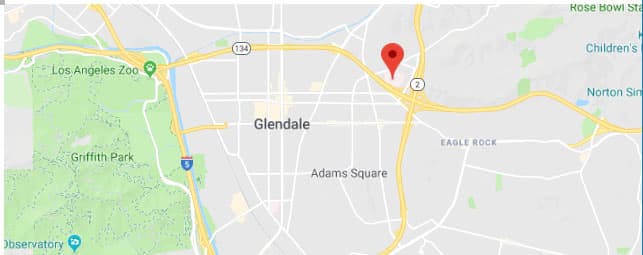
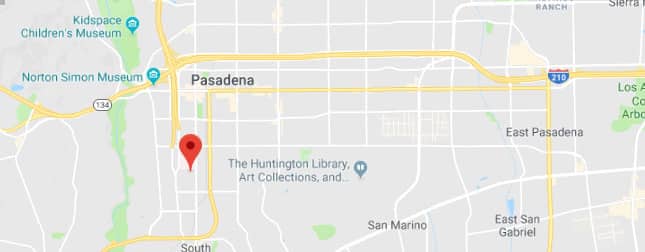
Dr. Yavrouian provides rhinoplasty and septoplasty to patients in Pasadena, Glendale, Burbank, and the greater Los Angeles area. To discuss your nasal concerns, request a consultation at EJY Facial Plastics.
For more information about treatments and procedures by Facial Plastic and Reconstructive Surgeon, Dr. Eric J. Yavrouian, serving patients in and around Glendale, Pasadena, Burbank and the Greater Los Angeles, CA area call 818-241-2150 or click here to contact him for a consultation.