 Rhinoplasty is a cosmetic surgical procedure most commonly performed to enhance the appearance of the nose. However, sometimes a patient may undergo rhinoplasty to correct functional issues with the nose, such as breathing problems. When this procedure is performed, it is considered a functional rhinoplasty. Board certified facial plastic and reconstructive surgeon Dr. Eric Yavrouian provides both cosmetic and functional rhinoplasty to patients in Glendale, Pasadena, Burbank, Greater Los Angeles, Beverly Hills, CA, and surrounding communities.
Candidacy
Functional rhinoplasty is most common for patients with deviated septums that cause obstruction of airflow. This procedure can also help patients with narrow or collapsed nostrils, nasal deformities, or injuries to the nose that have caused breathing issues.
Procedure and Recovery
During your surgery, your surgeon may need to break and reset bones or use cartilage grafts to reshape the structure of the nose and remove obstructions. This procedure is performed outpatient under general anesthesia, and most patients are able to return to work within 1-2 weeks. Bruising and swelling should be expected for several weeks following surgery, and results are permanent.
Insurance Coverage
It is possible that your insurance may cover or reimburse the cost of your functional rhinoplasty given that it is being performed for medical reasons. Remember, rhinoplasty being performed for cosmetic purposes is considered and elective procedure and is unlikely to be covered by insurance. If you’re unsure if your insurance will cover a functional rhinoplasty, you should speak with your provider about their criteria to determine your coverage. Board certified facial plastic and reconstructive surgeon Dr. Eric Yavrouian provides both cosmetic and functional rhinoplasty to patients in Glendale, Pasadena, Burbank, Greater Los Angeles, Beverly Hills, CA, and surrounding communities.
Contact Us For a Consultation with Southern California Facial Plastic and Reconstructive surgeon Dr. Eric Yavrouian
For more information about treatments and procedures by Facial Plastic and Reconstructive Surgeon, Dr. Eric J. Yavrouian, serving patients in and around Glendale, Pasadena, Burbank and the Greater Los Angeles, CA area call 818-241-2150 or click here to contact him for a consultation.

 The nose is the most noticeable facial feature. It performs another essential task to control breathing and airflow. Several visible deformities of the nose are ties to internal issues in some cases. The two major nasal surgical procedures are septoplasty and rhinoplasty. Septoplasty is concerned with addressing internal abnormalities while rhinoplasty improves the outward appearance.
 Rhytidectomy, popularly known as
  Balanced facial profile contributes towards an attractive and pleasant looking face. Profile balancing is a popular treatment that can include surgical as well as non-surgical options for balancing the features and profile of the face.
 Asian
Asian 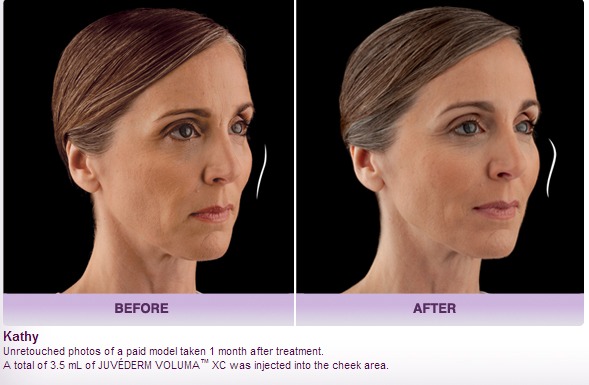 Our skin loses volume for a wide array of reasons with age. This can be anything from unprotected sun exposure to genetics and hormones. The depletion of natural skin collagen begins in the mid-20s. This causes the skin to develop more smile lines, wrinkles, and other signs of aging.
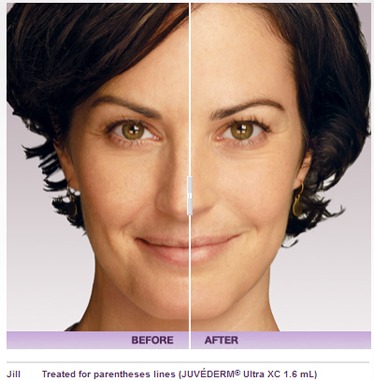 Juvederm contains hyaluronic acid, which is a naturally occurring complex sugar. HA helps in enhancing the elasticity and volume of skin. It facilitates the retention and delivery of moisture and delivery to the skin. Hyaluronic acid decreases naturally in the skin as people age.
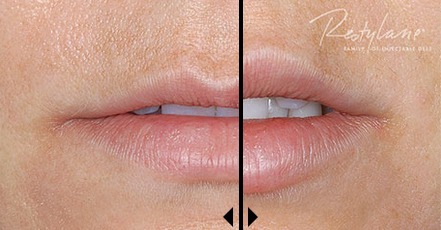 Restylane soft dermal filler includes a clear HA-based gel that fills in facial wrinkles and lines while adding moisture to the skin simultaneously. It helps in creating a more rejuvenated and youthful appearance. There are several types of Restylane fillers that can be used for treating different facial areas. The dermal filler can easily reduce the appearance of light wrinkles, folds, and creases.